Family-Style Private Dining: Experience the Joy of Sharing a Meal Together

Family Style Dinner

Content

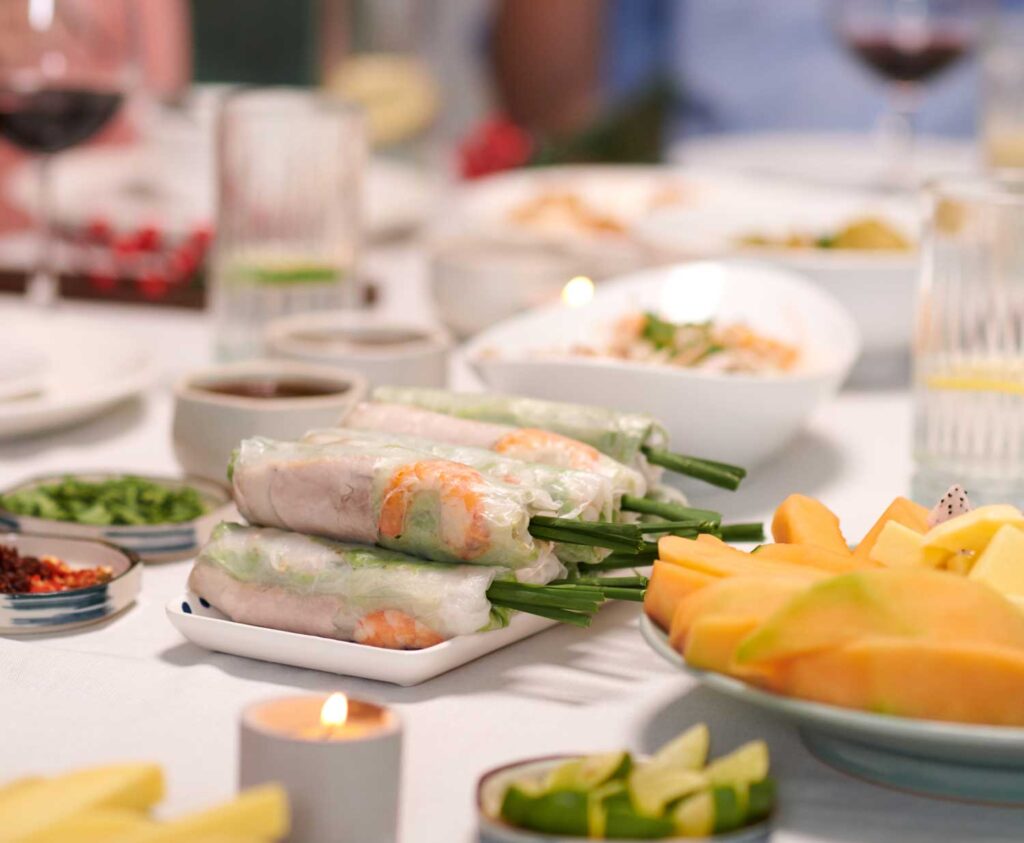
Family-style dining is a dining culture that aims to promote shared meals and the feeling of connection and togetherness.

Unlike the usual restaurant style, where each guest selects their own dish, with Family-Style Dining, large platters with assorted dishes are placed on the table for guests to serve themselves.

This eating style promotes a warm and welcoming atmosphere where everyone at the table can enjoy a variety of dishes together. Sharing different dishes is particularly common among Asian families and groups of friends and strengthens the sense of community.
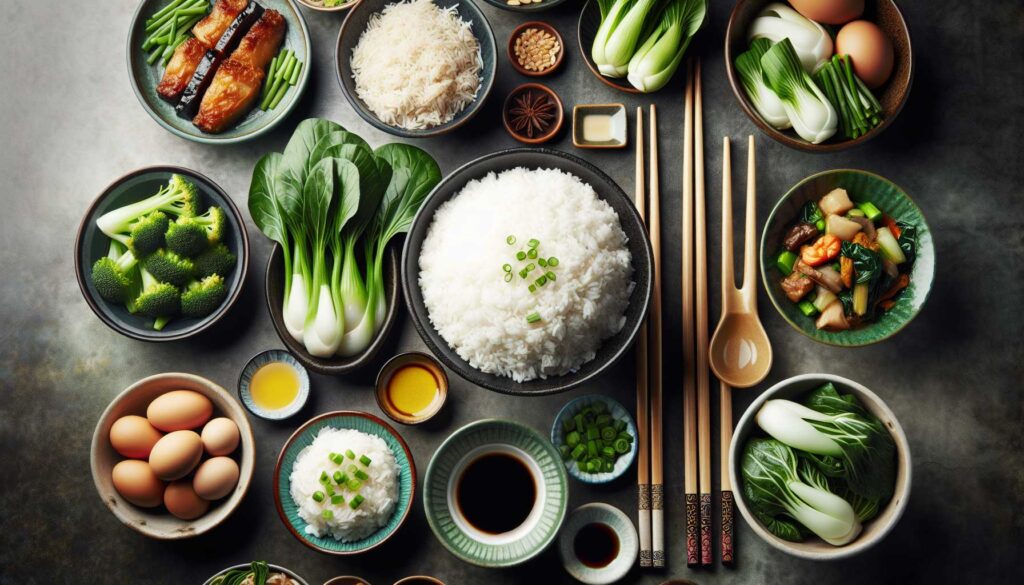
Small note: The focus of this article is on Asian Family-Style Dining.

The Benefits of Family-Style Dining

Family Style Dining centers on nurturing a sense of community and collective enjoyment around the dinner table.

Within the warmth of a family gathering or the laughter-filled space of friends, this dining practice weaves connections and infuses each meal with its own distinct charm.

  • Shared Experience: Passing dishes amongst each other fosters an innate feeling of community and togetherness.
  • Diversity in Choices: An abundant variety invites everyone at the table to embark on a culinary adventure, savoring different tastes and textures.
  • Relaxed Ambience: The essence of Family Style Dining lies in its ability to create an informal and friendly atmosphere perfect for engaging conversations.
  • Choices Galore: The freedom to sample multiple dishes means individuals can tailor their dining experience to their own palate preferences.
  • Abundant Service: The generous distribution of dishes ensures that satiety is universal, and the assortment is fully appreciated by all.
  • Conversational Catalyst: The act of communal dining naturally promotes discussion and interaction, thereby forging stronger bonds.

Family-Style Dining swings open the doors to a world of culinary intrigue and exploration, particularly when it comes to Asian cuisine.

Participants at the table are encouraged to discover the extensive array of flavors and distinct textures typical of Asian culinary traditions, all without being restricted to a single menu choice.

From a European perspective, one might draw parallels to the sharing and tasting traditions found in Spanish tapas or the communal pleasure of a Swiss raclette, both embracing the spirit of collective dining in an inviting atmosphere.

Crafting the Perfect Family-Style Dining Table

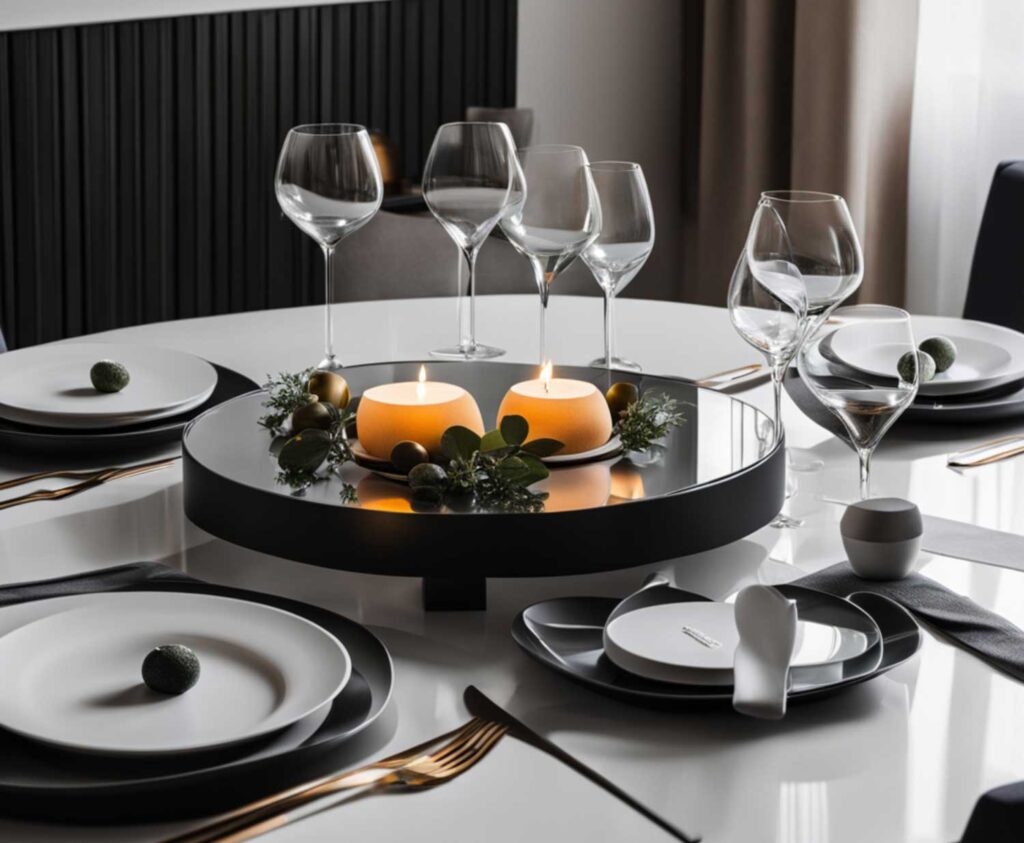
Setting the stage for a successful family-style meal begins with the right table configuration. Typically, a spacious round or rectangular table is preferred to comfortably accommodate everyone and make the passing of dishes smooth and effortless.

To enhance the communal dining experience:

  • A rotating “Lazy Susan” placed centrally allows for an effortless reach to the variety of flavors, making it simple for guests to sample all the offered dishes without having to stretch across the table.
  • Alternatively, using large communal serving platters can also achieve this ease of access, ensuring a seamless and interactive meal where conversation and cuisine flow in harmony.
Family Style gedeckt mit asiatischen Gerichten

Key Elements for Your Table Setting:

  • Adequate Tableware: Make certain that a full set of plates, cutlery, and glasses are on hand for all your guests. Don’t forget to include extra bowls for discarding things like bones or shells.
  • Napkins and Linens: High-quality cloth napkins add a touch of sophistication, while decorative paper napkins may be a more convenient option. Both contribute significantly to the overall dining atmosphere.
  • Table Decor: Thoughtfully selected decorative items can enhance the ambiance and give your gathering a special touch. Keep in mind the height of your decorations; they should not obstruct the view or conversation at the table.
  • Serving Implements: Provide the necessary serving tools for each dish so guests can help themselves without difficulty. For more intimate gatherings involving family and close friends, personal utensils, often chopsticks, will do the job well.
  • Condiments and Garnishes: Position essentials like salt, pepper, and common sauces or dips within easy reach of everyone to accommodate individual taste preferences.
  • Beverages: Ensure there is always a selection of drinks or a bottle of water on the table, within easy reach, to pair perfectly with the meal.
Family Style Tischgedeck

Enhancing the Dining Ambience:

  • Lighting: To set the mood, consider using candles or dim lighting that can cast a warm glow and soft shadows, creating an inviting and cozy atmosphere.
  • Place Cards: For events where tradition or formality is essential, strategically arranging place cards can provide a thoughtful touch, aiding in seamless seating while adding a layer of elegance.
  • Space Allocation: Ensure adequate elbow room between guests to foster comfortable interactions and easy access to the shared dishes, enhancing the overall dining experience.

Creating a Well-Rounded Menu for Family-Style Dining

A thoughtfully curated menu is the cornerstone of a delightful family-style dining experience. Striking the right balance with your dish selection is key to hosting a meal that is both satisfying and communal.

We’ve put together a selection of dishes that blend the rich flavors of Asian cuisine with the classic elegance of French fare:

Meat Dish: Asian meat dishes impress with a variety of tastes and textures – from tender to crispy – and create a perfect harmony of savory and sweet notes.

For example:

  • Peking Duck: Known for its crispy skin, tender meat, and combination with sweet Hoisin sauce, which creates a flavor explosion.
  • Char Siu: Juicy pork roasted in a honey marinade with a hint of spices.

For meat lovers, French cuisine might offer:

  • Beef Bourguignon: A hearty braised dish with beef in red wine sauce, refined with mushrooms and bacon.
  • Coq au Vin: Chicken cooked in a rich wine sauce, surrounded by bacon, mushrooms, and pearl onions.

Vegetable Dish: Freshness and variety take center stage here. Vegetable dishes are often colorful and nutrient-dense, making them a healthy component of any meal.
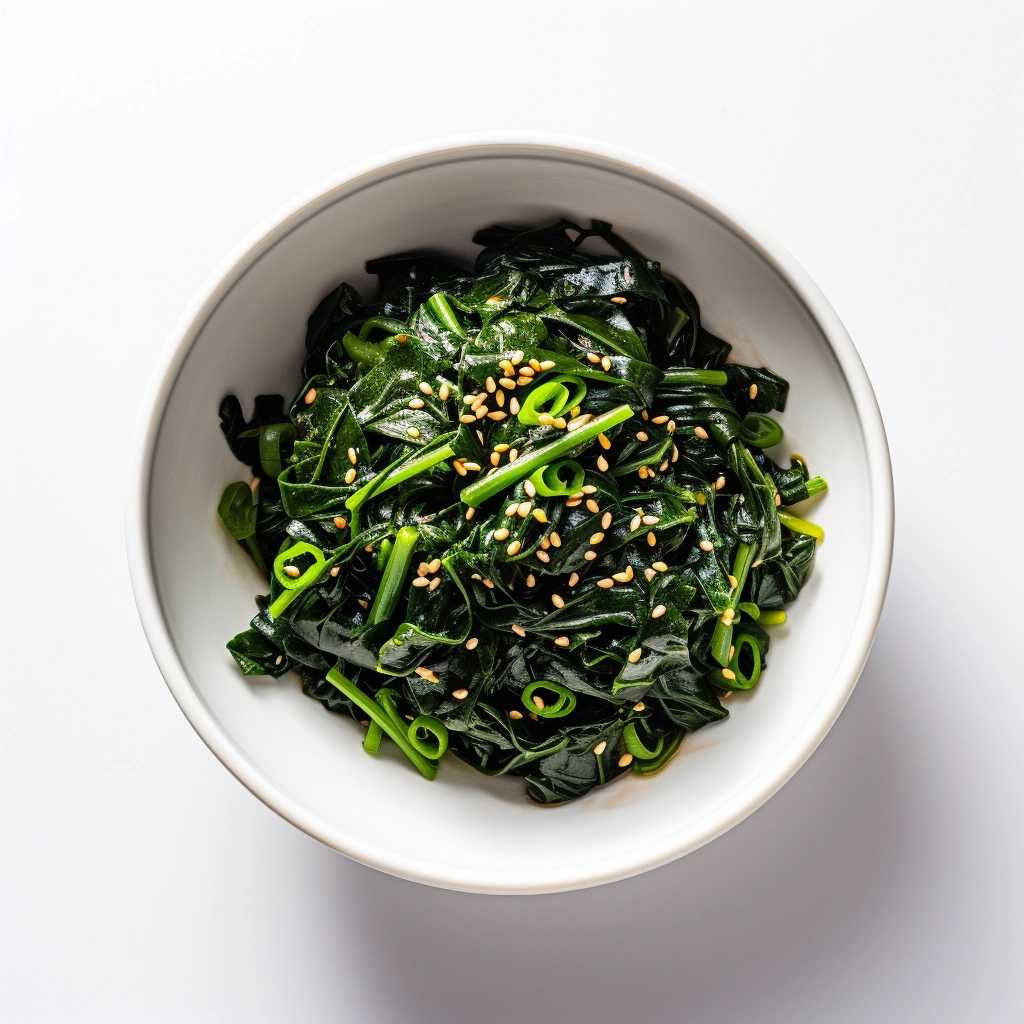
  • Stir-Fried Vegetables: A mix of crisp vegetables that are quickly stir-fried in a wok, preserving all the flavors and nutrients.
  • Grilled Eggplant with Miso Glaze: Tender slices of eggplant brushed with a sweet and savory miso paste, perfectly grilled to add a smoky note.
  • Rau Muong Xao Toi: Water spinach stir-fried with garlic – a simple but popular side dish in Vietnam.

In French cuisine, this might correspond to:

  • Ratatouille: A rustic dish of stewed eggplant, zucchini, bell peppers, and tomatoes.
  • Gratin Dauphinois: Potatoes baked in layers with cream, enhanced with garlic and cheese.

Fish Dish: Fish dishes come in an array of textures, from silky soft to pleasantly firm. They are often served in baked, grilled, or steamed forms and provide a lighter counterpart to meat dishes.
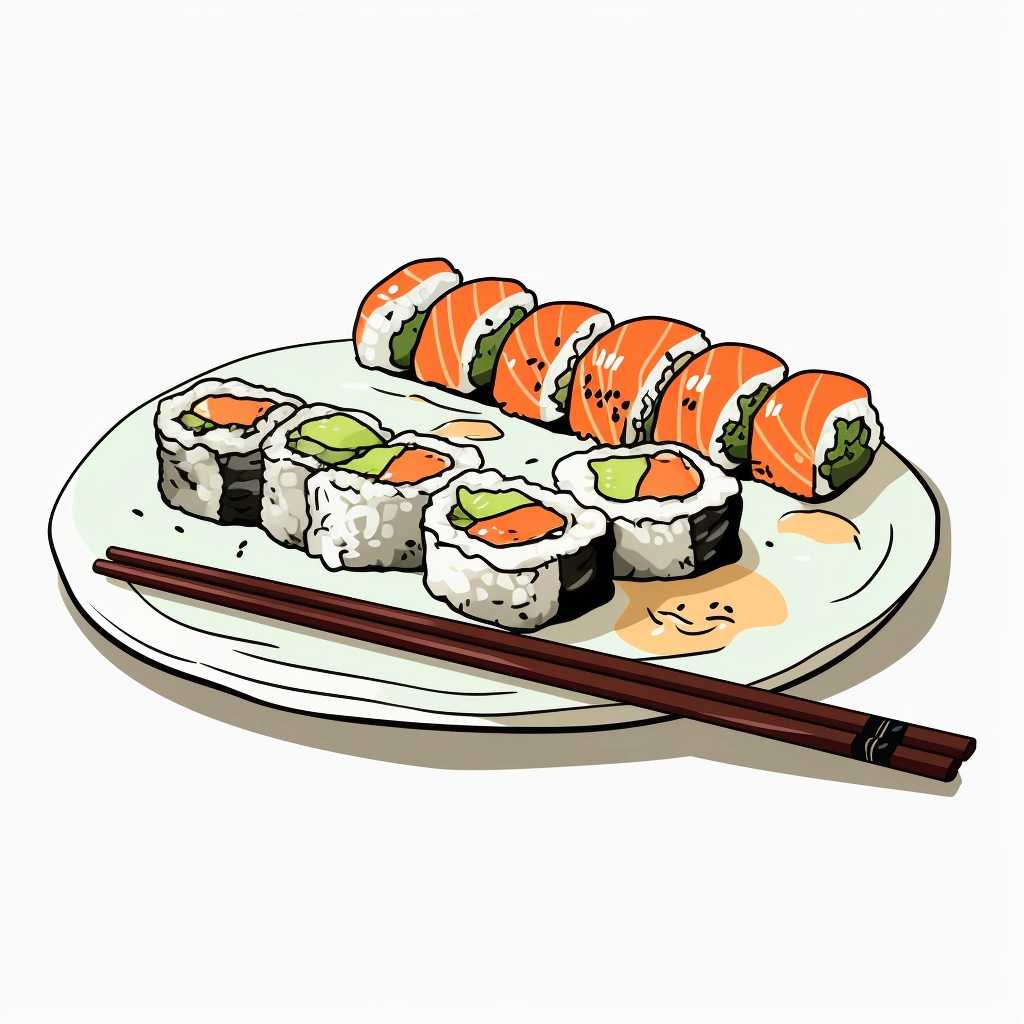
For instance, from Asian cuisine:

  • Sushi and Sashimi: Fresh, raw fish, artfully prepared and served with spicy wasabi and soy sauce.

And from French cuisine:

  • Bouillabaisse: A rich, aromatic fish stew from Marseille, enchanting with various seafood and a well-seasoned broth.

Side Dishes: Side dishes are meant to complement the main course and can add flavor nuances or act as a palette for more intense flavors.
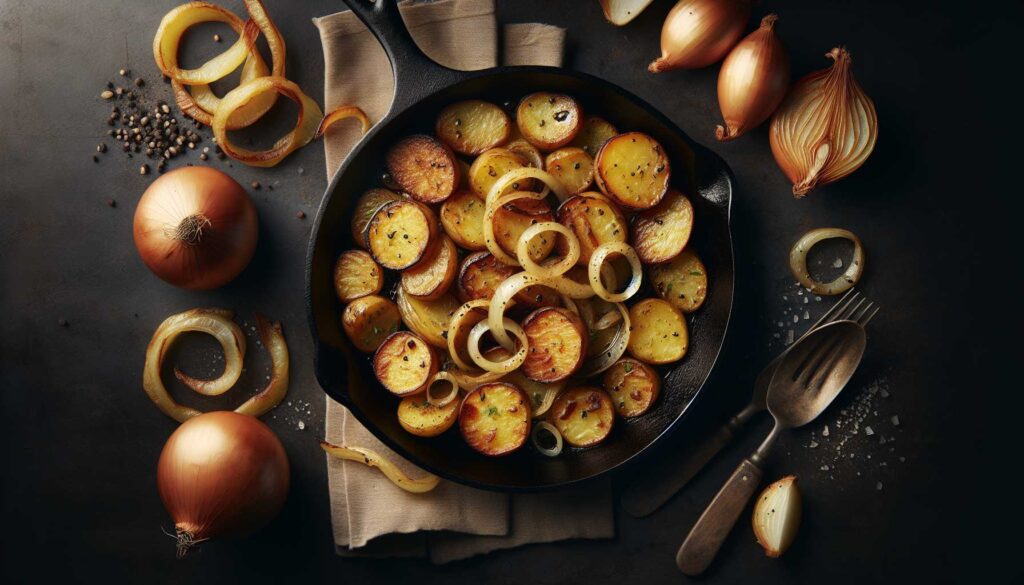
  • Steamed Jasmine Rice: This fragrant rice beautifully absorbs the flavors of sauces and seasonings, offering a subtle note of its own.
  • Fried Noodles: Whether it’s Udon, Soba, or Chow Mein, they bring a tasty texture and excitement to the table.

From French cuisine, potential side dishes could include:

  • Baguette: Fresh and crispy from the oven, ideal for dipping into sauces and casseroles.
  • Lyonnaise Potatoes: Pan-fried potatoes with onions that contribute a rustic, hearty element.

Soups and Broths: They are often the introduction to a meal, warming up the guests and preparing their taste buds for what’s to come.

  • Miso Soup: A simple yet rich broth that serves as an appetizer to a hearty meal.
  • Pho: A traditional Vietnamese noodle soup with a robust broth, rice noodles, and fresh herbs, often enhanced with beef or chicken.
  • Tom Yum: This Thai soup is known for its hot and sour taste and typically contains seafood or chicken, lemongrass, kaffir lime leaves, and chili.

From French cuisine:

  • French Onion Soup: The classic French onion soup topped with a cheese crouton crust is a warming and hearty choice that can serve as a wonderful start to the shared dining experience.
  • Lyonnaise Potatoes: Pan-fried potatoes with onions that contribute a rustic, hearty element.
  • Potage Saint-Germain: A creamy pea puree that can be refined with mint or bacon bits to taste, offering a spring freshness or savory depth.
  • Lobster Bisque: A smooth and velvety lobster soup, enriched with a splash of cognac and cream, embodying luxury and comfort.

Harmonizing East and West: A Culinary Symphony

The collection of dishes we’ve selected showcases an impressive range of flavors and textures that celebrate the essence of Asian culinary artistry.

Interwoven with this, the French dishes present an exquisite counterpart, injecting a delightful contrast that enriches this tapestry of tastes.

By bringing these cuisines together, we provide our guests with the opportunity to immerse themselves in a shared, expansive dining experience, bridging cultures at the communal table.

Avoiding Pitfalls in Menu Selection

Crafting your family-style menu can be an intricate dance of flavors and textures. It’s critical to strike a harmonious chord with each dish you choose.

A robust, flavorful dish has the potential to outshine others on the table, hiding their subtler tastes. The key is to balance the bold with the light, allowing each dish’s flavor to come through in its own right.

Texture also plays a starring role in your culinary lineup. A varied texture profile ensures the meal remains engaging—imagine the delightful contrast of a crunchy, deep-fried appetizer next to a smooth, velvety soup.

When it comes to stews or jointly served entrees, less is more regarding accoutrements. A well-designed family menu often showcases a limited number of main courses—for example, one vegetable, one meat, and one fish or an additional meat selection. Companions to these stars might include an array of sauces for dipping and side offerings like tangy pickled veggies such as kimchi or seasoned eggplant.

Armed with these insights, you’re set to curate a well-rounded menu that spotlights the best of each dish. Your guests will revel in the diverse array of flavors and textures, sure to make for an unforgettable dining experience.

Uniting Through Cuisine: The Power of Shared Meals

Family-Style Dining transcends Asian cultural boundaries and is a tradition that’s warmly incorporated by people from diverse backgrounds.

It’s crucial to underline the inclusivity of communal meal practices, which are widely established and appreciated across the globe.

The act of sharing food is a time-honored tradition engrained in society, enhancing the cultural fabric of many different communities for ages.

The essence of these gatherings revolves around savoring moments in unity. By embracing Family-Style Dining, we not only reinforce bonds of togetherness but also cultivate a prominent sense of community. This tradition extends an open invitation for individuals from all walks of life to come together and uphold these cherished customs.

Robert Ott

Ayo!

I hope this post was helpful and to your liking.
Give us any heads up if you like.

Keep in the loop

Standard News Newsletter EN (#9)

This may interest you

Catering Inquiry

Private Dining RFQ EN (#7)